Organic Marketing
Link building is probably the hardest part of SEO - but it delivers great results. 10 strategies, each broken into 3 simple steps, so you can start earning links to your website.
Category
Organic Marketing
Published
22 July 2026
Read Time
16 min read
Link building is hard. It's probably the hardest part of SEO. But it can deliver great results. In this post we'll share a top ten list of link building strategies you can use - each broken down into 3 simple steps, so you can see exactly how to begin gaining links to your website.
It's important to note that we don't expect you to use all of these methods. Link building can be overwhelming - it takes time, patience, and above all hard work to land good quality links. With this in mind, we recommend choosing only 2 to 3 strategies from this list and sticking with them.
We suggest choosing one strategy that you think will bring you the quickest win and best results, so it gives you momentum to carry on link building long term. Remember, results are not instant, but the hard work will pay off if you stick with it.
Now let's dive in.
The Skyscraper technique is a link-building technique created by Brian Dean. It's a method for creating high-ranking content that attracts quality backlinks. You can do this by exploiting competitors' weaknesses - producing a better article than them.
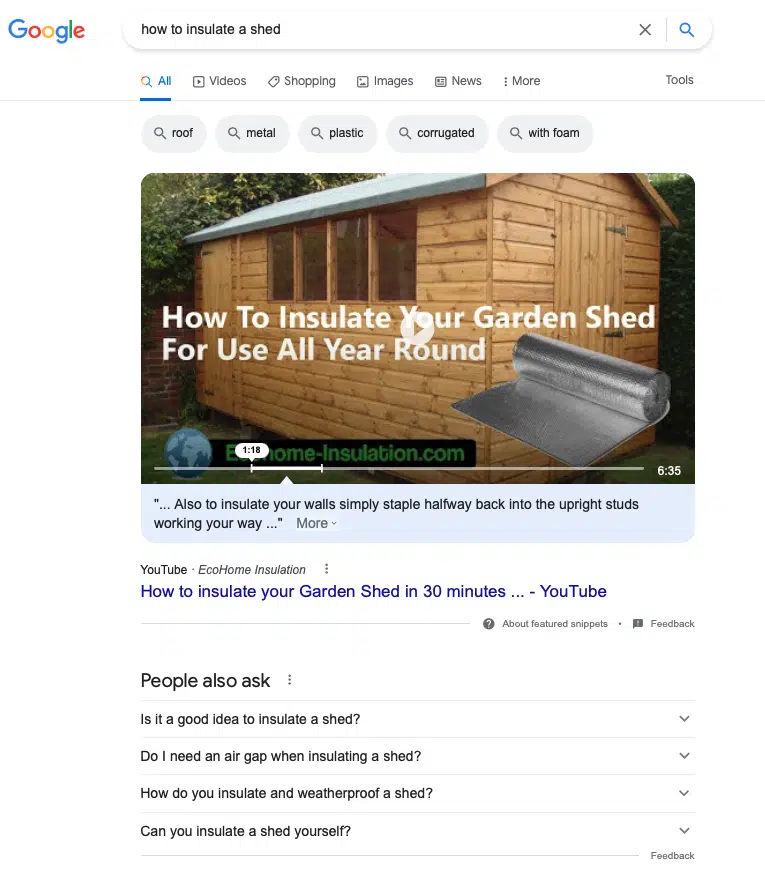
Step 1 - Research. The first step is to know exactly what topic you want to discuss. This will give you a reference point to find out what content is ranking position #1. So do a quick Google search to find out who's ranking on top of the skyscraper. For example, let's find out who's ranking for the search term "how to insulate a shed."
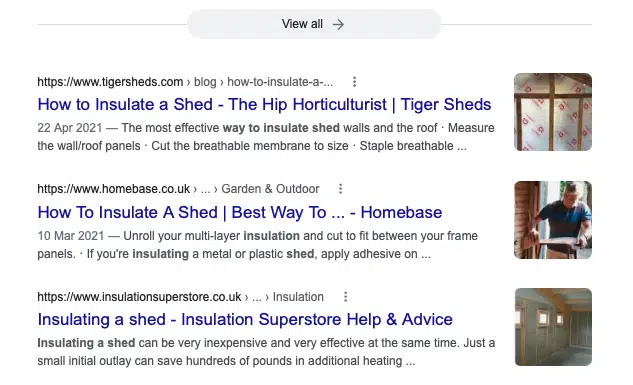
As you can see, a video is being served up the page - this highlights that Google prefers video for this search. Also, below the video, there's the "People Also Ask" section (rich snippets). Keep these questions in mind, because you can answer them in your article. Underneath the video content is the organic listing - as you can see, Tiger Sheds is position 1.
Using Ahrefs, we can analyse the referring domains linked to the article.
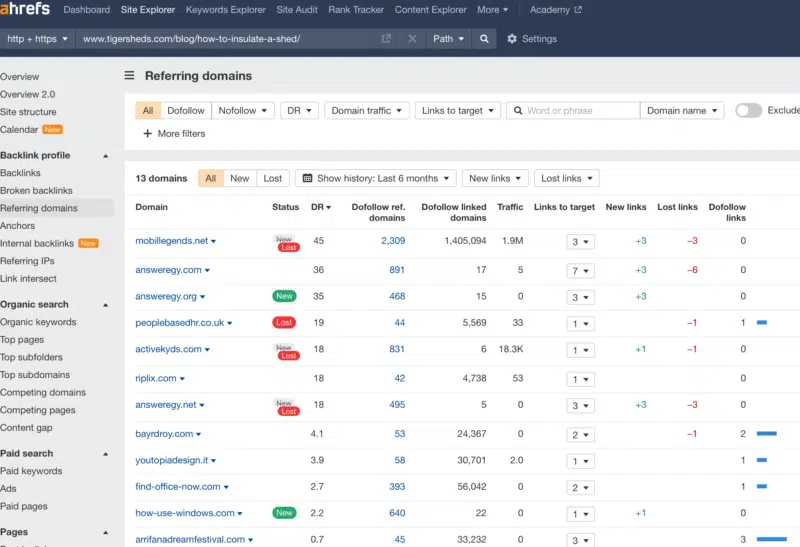
Surprisingly, there aren't many relevant links worth going after. We're looking for blogging websites or resource websites related to gardening and outdoor garden buildings, but there isn't much worth pursuing in this instance. This suggests that Tiger Sheds doesn't rely on high quality links to rank for this keyword - though it's worth noting that Tiger Sheds as a whole has a strong backlink profile, and that's probably why it's ranking. Nonetheless, we can carry on and analyse what we need to do to beat this content.
Step 2 - Write content. Analyse the content that's ranking #1. Can you produce a better piece of content? Can you add more value so it benefits the user more? Maybe the content doesn't have any video, or maybe the article could benefit from an infographic that simplifies the information.
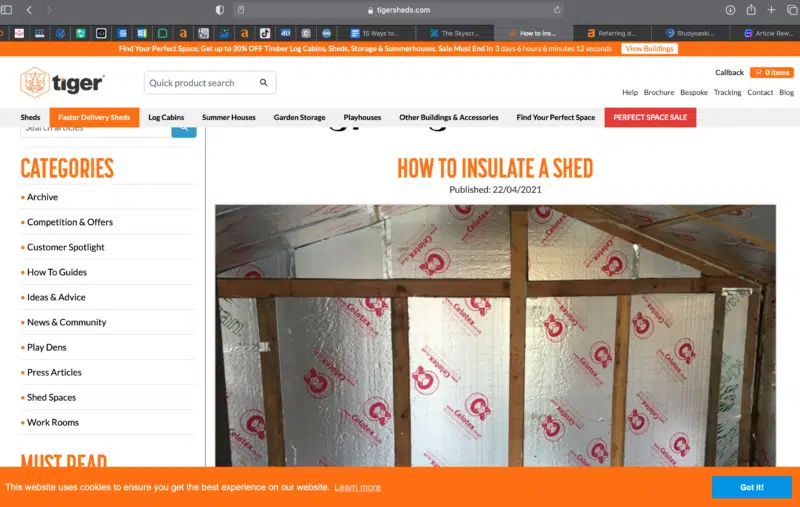
Reviewing the Tiger Sheds post, the content doesn't have any videos, so this is an opportunity to add more value by including one. It appears to use the word "insulate" 27 times and the word count is around 3,875 words. It also uses "How to insulate a shed" in the meta title, meta description, and H1 - clues that suggest you'll need to include this in your content too. Finally, try to beat your competitor's word count - in this instance, write more than 3,875 words to give yourself a better chance to rank.
Step 3 - Outreach. You'll then email the website owners and mention that you have a piece of content they may be interested in. The good thing about this is that you know they're already interested in this particular topic, so you have a better chance of a positive response. It's best to have a few different email templates so you can see which one yields the most responses.
Broken link building is finding broken links that are relevant to your industry, then creating similar content and reaching out to websites to let them know they're linking to a broken page - offering them a solution with content that's similar so their broken link is fixed.
This strategy is great because it's a win-win for both parties. You're helping them improve their user experience by flagging the broken link, and you're doing them a favour by supplying content they can link to instead.
Step 1 - Research. To find broken links, you'll want to look at websites similar to your industry. For example, if you're a health retailer, you'll want to analyse your competitors' websites to find out if they have any broken links.
By finding your competitors' broken links, you can create content that's similar to theirs, then replace the content and earn your competitor's links. Again, it's win-win - your website is getting stronger and your competitor's is getting weaker.
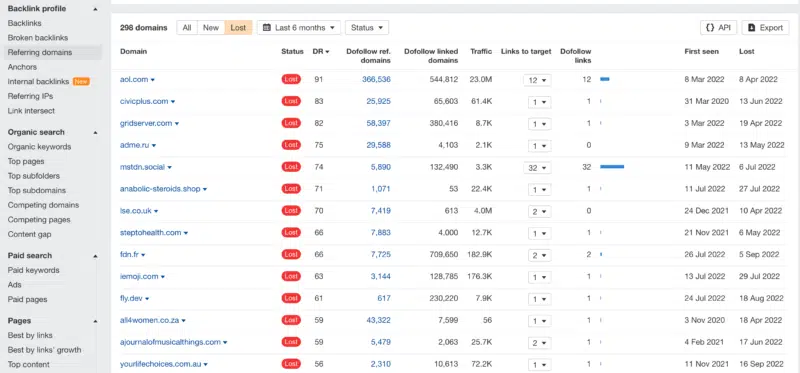
When implementing this strategy, we recommend finding broken links on your competitors' blogs, since blog content is usually informational and tends to have more links pointing to it than transactional pages.
To give you an example, we'll look at a blog to see if we can find any broken links - in this case, Step To Health.
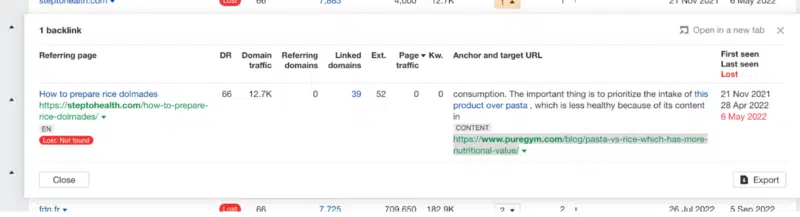
As you can see, there are loads of broken links, and some are on really relevant sites. We can see Pure Gym is linking to a page that's broken - "How to prepare rice dolmades." As a result, it's an excellent opportunity to write content like Pure Gym's. We can reach out to say: "we like your content about 'pasta vs rice: which has more nutritional value,' but the link is broken. We've created content about pasta which shows the nutrition value, so you could link to this instead."
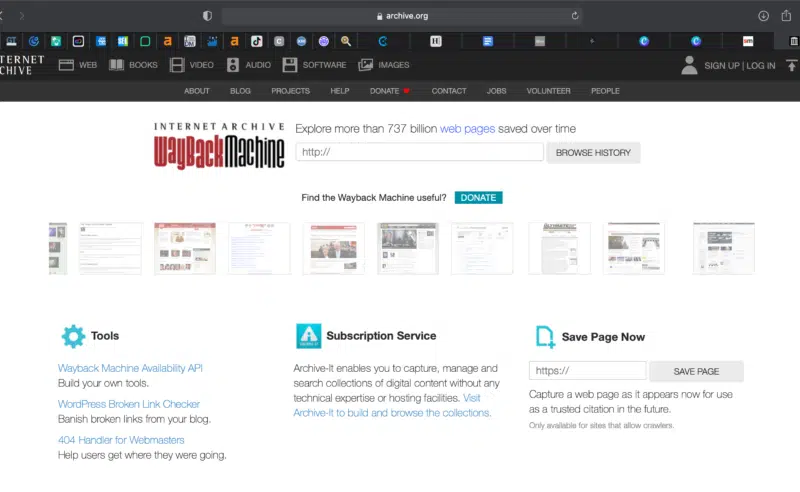
Step 2 - Create content. Once you know more about the broken link, you can begin crafting something similar but better. You're not trying to reinvent the wheel - the content has already achieved the links. You're just creating something on the same topic but more up to date. Use the Wayback Machine to see what content once ranked.
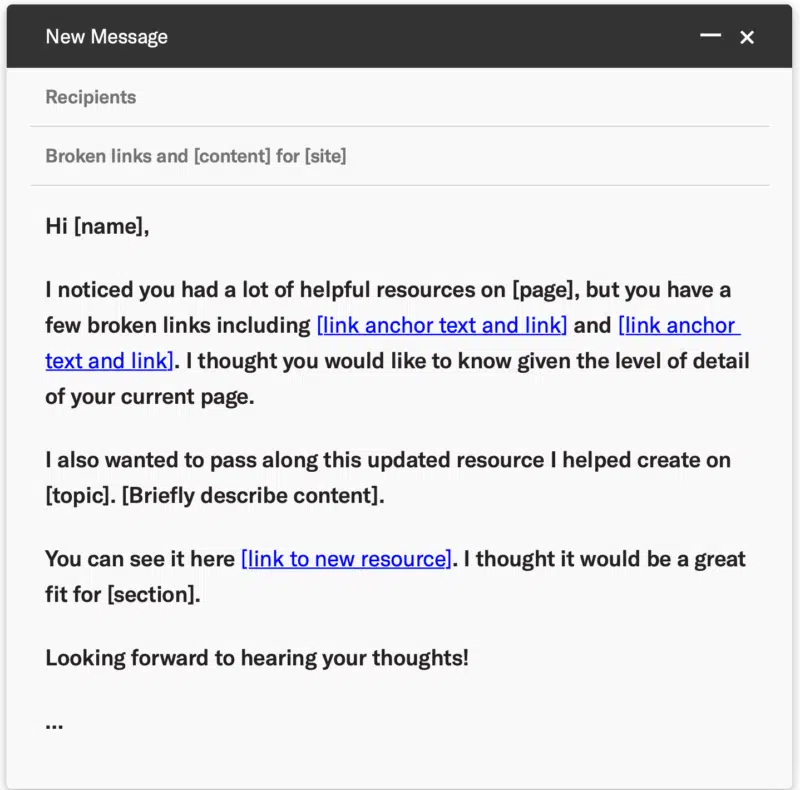
Step 3 - Outreach. Once you've created the content, it's time to perfect your pitch. It's best to try to contact the author of the blog, as they have the power to update the links. Here's an outreach template you could use.
Testimonial link building is when a customer leaves a positive review on a website for a product or service to achieve a link back to their own website. It's a win-win for both parties - the company gets a positive review that helps build trust and grow the brand, and the organisation leaving the review gets a link in return.
Step 1 - Target websites. The first step is to build a list of relevant websites associated with your niche. For example, if you're a digital marketing agency, you might use different software platforms that help you do your day-to-day job - this presents a great opportunity to leave a testimonial. It's important to leave testimonials on sites related to your industry, and where you've actually used their product or service.
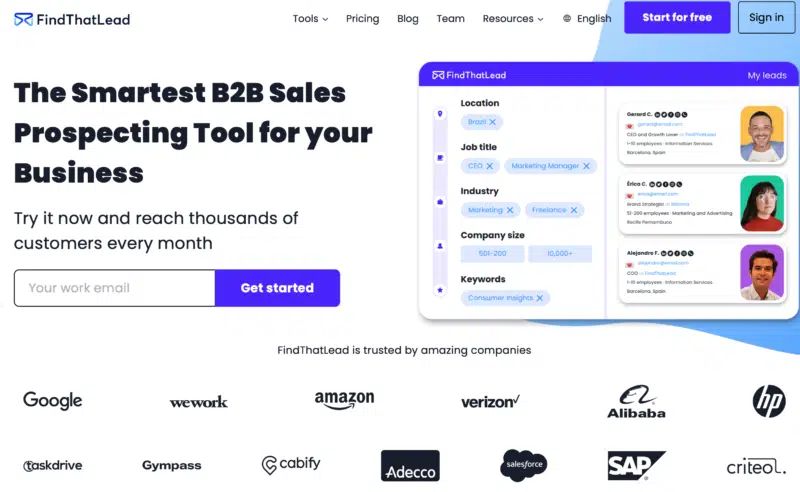
Step 2 - Find their contact information. Once you have a list of websites to target, you need to begin contacting them. Finding the right people to contact can be difficult, as webmasters' details often aren't on display. Tools like Hunter.io or Find That Lead can help you find the right person to contact.
Step 3 - Email your testimonial pitch. It's important to note that you don't just send your testimonial review and expect them to post it and link to you. You'll need to write a pitch with the best chance of success. Linkio provides more information on how to write an email outreach pitch that gets approved.

Step 4 - Provide a relevant testimonial. Once you've received approval, you can begin working on it. Make sure you adhere to any suggestions the owner has mentioned, and make sure it fits with their business - tailoring each testimonial based on the intent of the website.
Link building is a core component of digital PR. You can boost your SEO efforts by creating linkable assets, then distributing them to relevant journalists and publications to entice them to write about your content and link to it. Journalists enjoy writing about excellent ideas that add editorial value to their articles - digital PR is about creating content that's good enough to be covered and linked to by journalists.
There's no one-size-fits-all method when it comes to digital PR - there are several ways to achieve success, from creating data-driven content to product PR, depending on the approach you want to take. A successful digital PR strategy involves knowing which tactics to use and when. We'll take a brief look at one tactic that can achieve link success: content backed by data.
Step 1 - The idea. First, think about what story to tell and how you'll collect the data to support the campaign. To help generate ideas, look at what's in the news, and consider seasonal trends. Tools like Google Trends and the national office of statistics can help you build data-driven campaigns.
Step 2 - Create the content. Next, create content that illustrates your findings in an easy-to-understand format - you want digital assets that are visually eye-catching, such as an infographic that simplifies complex data.
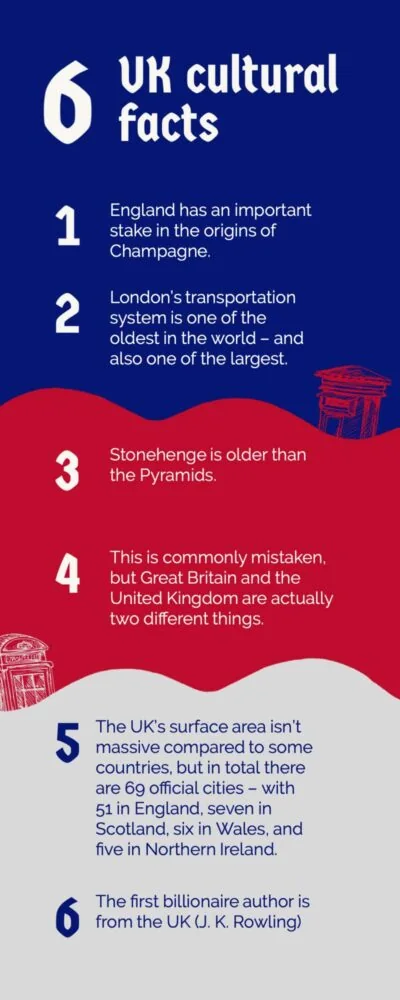
In contrast, you could create an interactive asset that supports your story - an example could be a fuel cost calculator comparing the difference in fuel prices year on year. Be sure to add value with whatever content you create, and share your assets with journalists when reaching out.
Step 3 - The pitch. Once you're happy with your idea and content, it's time to start pitching to journalists. It's best to pitch to journalists in your content niche, as you'll have more chance of your story being picked up. Tools like PRrowly can help you scope out the right journalists to send your pitch to, increasing your success rate. Also make sure your subject line is interesting and personable, and shows you can provide value.
Data is an excellent medium for telling a story, and you may use either your own data (if you have it) or third-party data (like social data or census data) to construct PR campaigns. Data-driven research studies are among the most popular digital PR tactics, and journalists adore them.
You can gain resource links from web pages that curate relevant industry information and link back out to you, to your product or service.
Step 1 - Research. Finding resource pages is straightforward - the most popular method is to use Google search operators. For example, you could type something like gardening inurl:resources.html
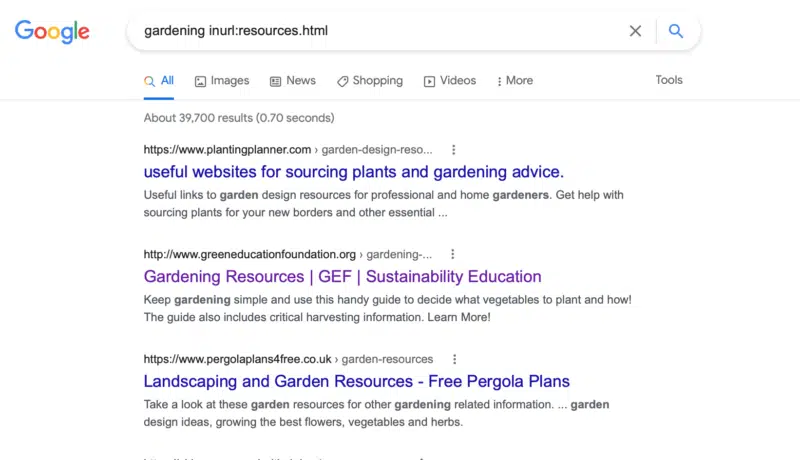
You can also use additional Google search operators to find more resource pages, such as:
intitle:"garden sheds" inurl:resources.htmlintitle:"garden sheds" inurl:resources.phpintitle:"garden sheds" inurl:resources.aspintitle:"garden sheds" inurl:links.htmlintitle:"garden sheds" inurl:links.phpintitle:"garden sheds" inurl:links.aspOnce you've nailed down your searches, you'll want to scrape your results. There are several tools you can use, such as Instant Data Scraper. But if you have an Ahrefs subscription, you can download the search results by exporting the SERPs to a CSV file.
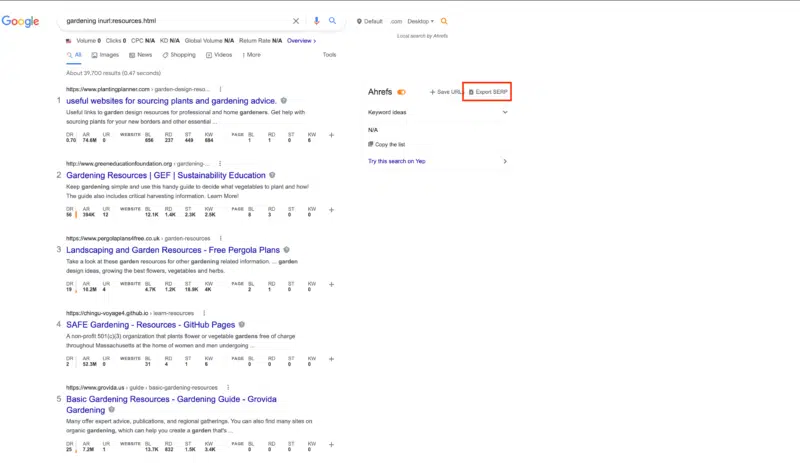
Step 2 - Filter results. You'll probably have thousands of URLs to trawl through, but you can use filters to reduce the results. If you used Ahrefs, you're in luck, as it includes some handy metrics - filter down your search using Domain Rating, Referring Domains, and Total Organic Keywords.
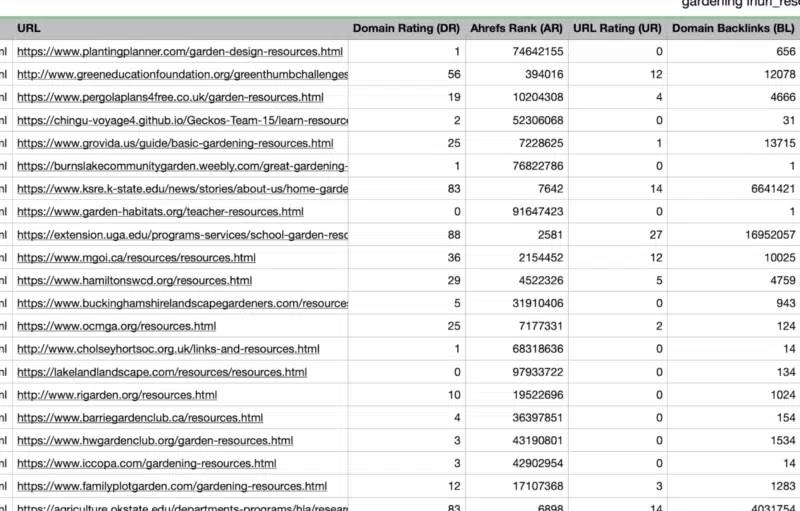
These filtering options are just a guide, so don't stress if you can't filter by all of them.
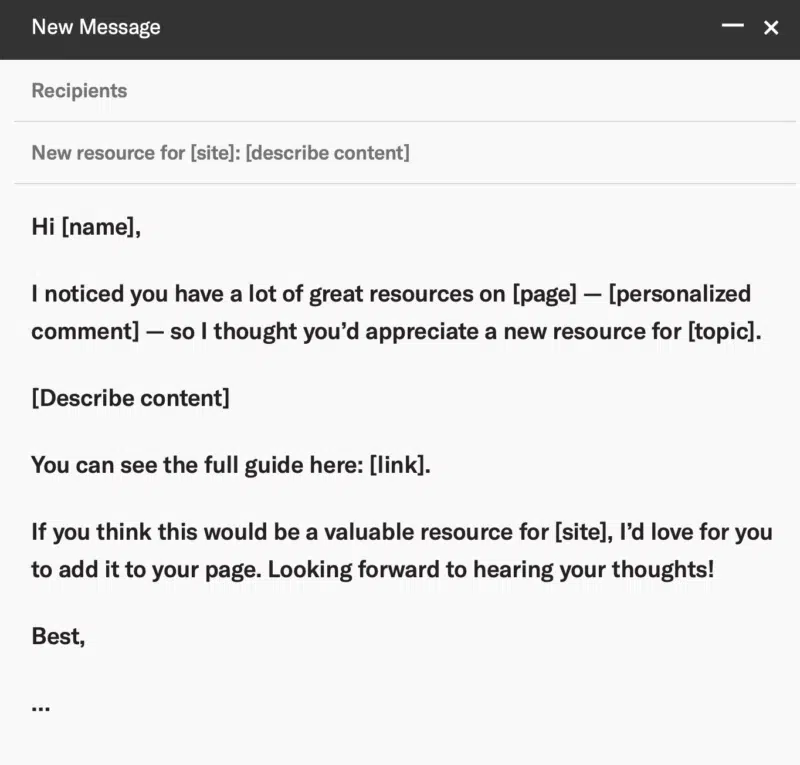
Step 3 - Reach out. Once you've got a list of pre-screened prospects, you must seek them out and propose your resource for inclusion on their website. Believe it or not, this is the simple part - if your resource is a suitable match and adds value to the website, you may simply have to let the right person know that your content is available.
Unmentioned brand links are mentions of your brand on published sites that don't provide a link back to your website - an unlinked brand mention.
Step 1 - Research. You can find unlinked brand mentions using Ahrefs' Content Explorer tool to scan the web. Enter your brand - for example, "powersheds" - and add -site:powersheds.com, and this will show all the unlinked mentions of your brand.
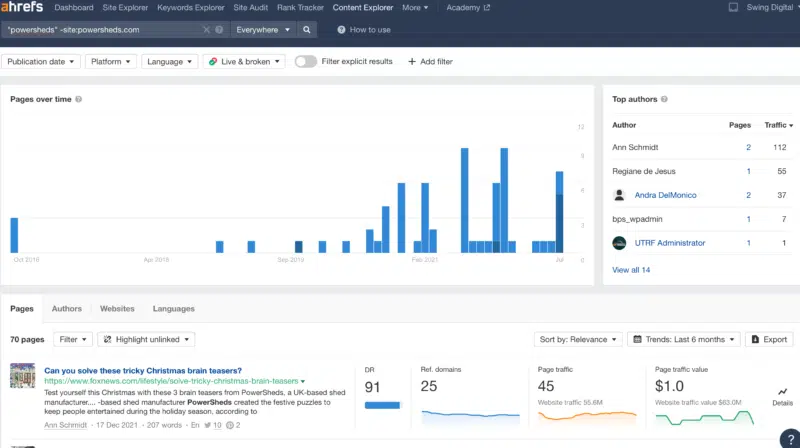
This guarantees that no mentions are missed. To search for the company's name, you can also look for branded products, tools, and assets - and CEO mentions in articles without links can be found the same way. You can expand your search by looking for misspelt variants of your company's name, as your search engine won't catch misspelt branding on its own. Once you've assembled a list of unlinked mentions, focus on the ones with the greatest SEO or PR value.
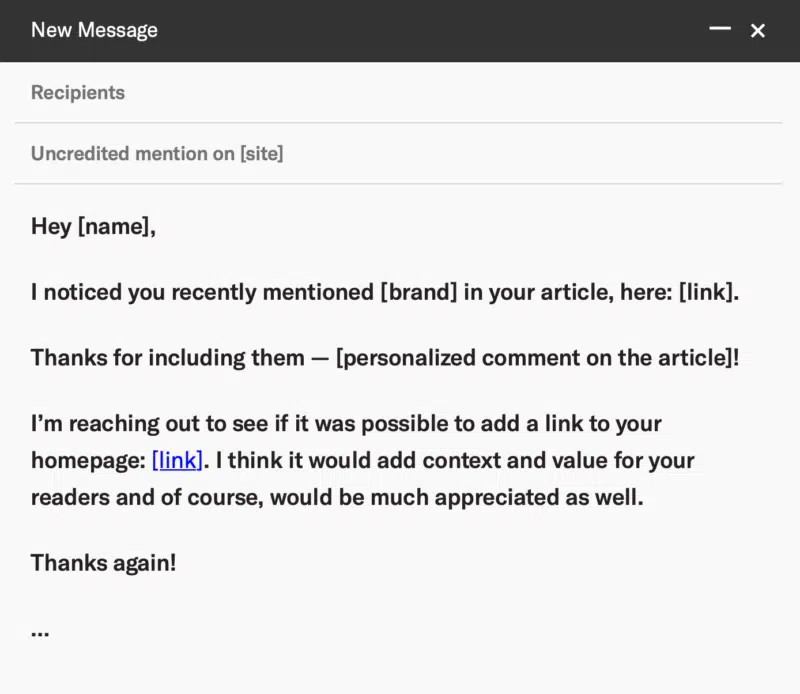
Step 2 - Find contact. A website owner is usually the best person to connect with, especially if external links are present in the post but none link back to yours. You can use Google or social media to find the webmaster's contact email - if that fails, use Find That Lead. After finding the author's or editor's email address, send them a message.
Step 3 - The pitch. It's important to angle your approach to show that linking to your website will bring them benefits - highlight that it'll provide value to them and to their audience. Remember, the webmaster needs a reason to link to your website. Be courteous and thankful when requesting a connection - be creative and genuine, mention them in your article, and thank them.
Infographics are fantastic for converting data into manageable chunks of information. Infographics can earn more links than general blog posts, and they work great when you need to provide visual information to help simplify a series of complex data.
Step 1 - Research. First, research and gather data that your audience would enjoy reading. This could be anything from "the most expensive areas to live in the UK" to "the cheapest place to buy a pint." Whatever it is, the data needs to be relevant to your audience and genuinely useful.
Step 2 - The creative. Once you've gathered your data and made sense of it, it's time to use a creative tool that best depicts the data in an easy-to-understand way.
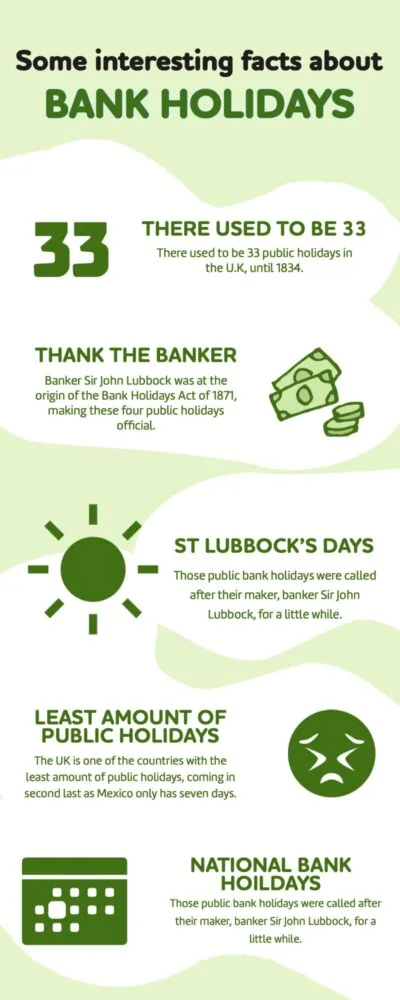
You can present your infographic on your post and allow users to download it and share it with others - that way they know where the information came from, which leads back to you. This type of asset not only helps raise awareness about the piece but about your brand too.
Step 3 - Promotion. Depending on why you created the infographic, you may want to promote it to get links. You may have gathered data on a topic that journalists would be interested in, so you could gain links via digital PR. Or it may be data for your own website that you'd post on a blog - so you'd share it on other channels, using earned media to gather links. The key thing is that if your data is unique, and you've communicated it visually and promoted it, you have more chance of gaining links naturally than with just a blog post.
Sponsoring events, companies, and charities can build links. You can sponsor a charity event by raising money for a local charity - these charities are always seeking as much exposure as possible to attract more donations for their cause.
Step 1 - Prospect local companies or charities. It's always a good idea to use search operators when looking for these opportunities, to narrow your search results and increase your chances of finding something that suits your needs. You can also use sites like meetup.com and events.org to find sponsoring opportunities.
When prospecting, look for local charities - for example, search "Manchester events 'sponsors'." This will help generate a list of events you could potentially sponsor.
Step 2 - Choose who to sponsor. This can be a difficult decision, as it might depend on factors beyond SEO. One website might have a better SEO position, but you may want to find a sponsor more suited to your values. With this in mind, consider how much traffic you might get from the website you sponsor.
Step 3 - Sponsor and build a relationship. When sponsoring local events, you begin to get to know the people running them, building up a local relationship with the organisation and community. As more people become aware of your business and objectives, they're more likely to want to collaborate with you. Besides helping your site rank well, you're also helping improve your community.
Podcast link building is when you request to be a guest on industry podcasts, and receive a link from the episode page in return.
Step 1 - Find industry podcasts. Finding industry podcasts is the first step to building a list of potential shows. Start a spreadsheet and add all the podcasts relevant to you - to find them, do a Google search.
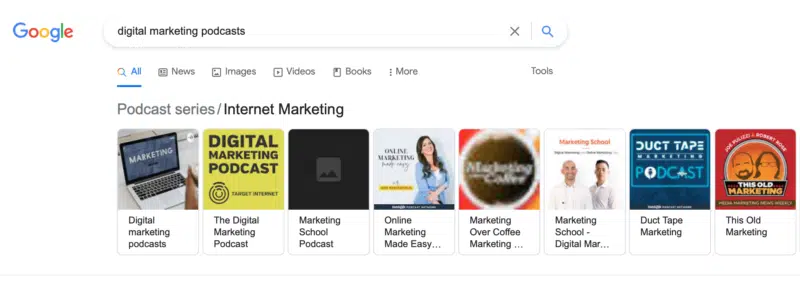
Go through the list and add the podcasts you'd like to feature on to the spreadsheet. You can also search on Apple Podcasts and add these to your list.
Step 2 - Filter the list. You may have a long list of podcasts, but not all of them will be relevant, so create a filtering process to keep the ones worth pitching for. We recommend checking:
If you've answered yes to all three, keep them on the list.
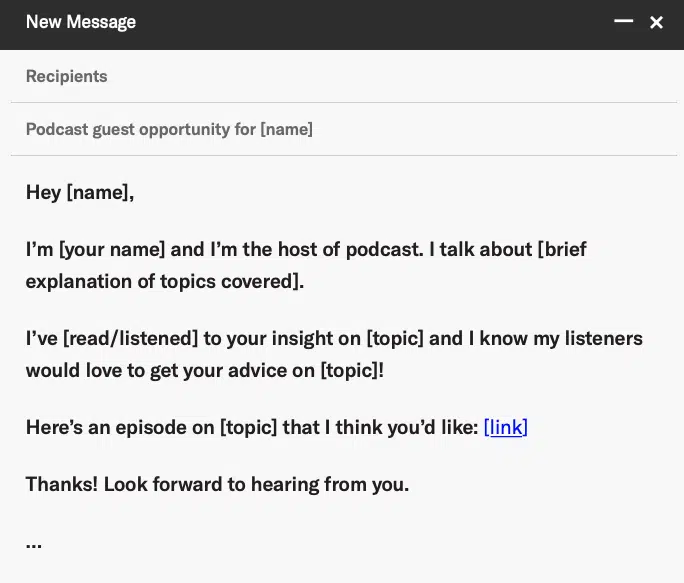
Step 3 - Pitch. A pitch to a podcast is relatively simple - either follow the application procedure, or reach out to the host via email and pitch yourself as a guest. You'll want to touch on three Ws: who, why, and what. Who are you? Explain who you are and what you do. Why are you a good guest? Sell yourself. What would you like to discuss? Explain what you'll be talking about - it should appeal to the show's audience and align with your profession. If possible, use something you've written or spoken about before as a starting point for your notes.
Competition link building is when you host a competition, but another organisation promotes it on their website and links back to your site.
Step 1 - Define your goal. You must understand your objectives and target audience to run a successful contest. There are many strategies for running a contest, but you must define your objectives to achieve success, and align them with your contest goals. Some objectives include driving more traffic to your site, getting more leads, or gaining exposure with user-generated content.
Step 2 - What websites to target. Universities are a terrific source of links, so you could organise a student contest. Students will enter if the competition resonates with them - for example, sustainability, money-off vouchers, or expensive equipment to help with their studies. Universities also have a high domain rating, so links from them are excellent.

Consider how your participants will enter the competition - you could gain more than just a link. If entrants need to post an image, follow a page, or use a hashtag to enter, you can gain more brand awareness alongside a link.
Step 3 - Share your competition. Next, promote your competition. Sticking with universities, highlight the benefits when reaching out to them - tell them this will help students with their studies, especially if you're giving away prizes that support their course.

Written By
Founder, Sway Digital • MSc Digital Marketing Communications
Philip Beaumont is the founder of Sway Digital, a digital agency built to sway your audience - combining website design & development, SEO, paid advertising, and brand identity into strategies that move the numbers that matter. He holds an MSc in Digital Marketing Communications and works hands-on with every client, from strategy through to execution.
Connect on LinkedInReady to put this into practice?
Book a free strategy call and we'll show you exactly how this applies to your business.