
Organic Marketing
A clear, well-structured marketing plan is what separates thriving eCommerce brands from those that just survive. Here's how to build one - from audience research to tracking results.
Category
Organic Marketing
Published
22 July 2026
Read Time
9 min read
In the fast-paced world of eCommerce, having a clear marketing plan can make all the difference between thriving and simply surviving. Without a well-structured strategy, it's easy to lose focus and waste resources on campaigns that don't deliver results. That's why creating a marketing plan tailored to your business goals is essential for driving growth and staying ahead of the competition.
A strong eCommerce marketing plan doesn't just outline your goals - it maps out the steps to achieve them. From understanding your target audience to choosing the right platforms and measuring success, every detail matters. Whether you're launching a new store or refining your current strategy, a clear plan ensures you're making informed decisions that maximise your efforts. Ready to take your eCommerce business to the next level? Let's explore the key steps to crafting a marketing plan that works.
Knowing your audience is the cornerstone of any successful eCommerce marketing plan. When you understand their needs and behaviours, you can craft strategies that resonate with them and drive conversions.
Create detailed buyer personas to represent your ideal customers. Include demographics like age, gender, location, and profession, along with insights into their interests, pain points, and buying motivations. For example, a buyer persona for an eCommerce retail site might feature a 30-year-old professional interested in sustainable products. Tools like HubSpot or MakeMyPersona can help you gather and organise this data efficiently. Strong buyer personas ensure your eCommerce marketing plan focuses on what your audience truly values.
Study your customers' online habits to uncover trends that affect purchasing decisions. Analyse website analytics, social media engagement, and email interaction rates. Track metrics like page views, cart abandonment rates, and average spend per visit. For instance, if your eCommerce site shows high abandonment rates, consider adjusting your pricing strategy or offering incentives like free shipping. Use tools such as Google Analytics and Hotjar to map customer journeys and refine your marketing plan to promote your eCommerce site effectively. This information helps build a data-driven approach, ensuring your marketing efforts align with customer expectations.
Defining clear goals is essential for building an effective eCommerce marketing plan. Your objectives guide your strategy and help measure the success of your campaigns.
Focus on identifying metrics that reflect your eCommerce site's performance. KPIs like conversion rates, customer acquisition cost, website traffic, and average order value are vital for tracking progress. For example, use Google Analytics to monitor these metrics, and regularly review them to ensure alignment with your objectives. Prioritising measurable KPIs ensures your eCommerce marketing plans stay focused on delivering tangible results.
Set goals that are actionable and specific. For instance, instead of aiming to "increase sales", define a target like "boost online sales by 20% within six months". Break this down into achievable milestones, ensuring all goals are realistic and time-bound. This approach provides clarity, enabling you to track your progress and adapt your eCommerce digital marketing plan as necessary. By setting measurable goals, you can maintain focus and improve your campaigns systematically.
Understanding your competitors is essential for crafting an effective eCommerce marketing plan. A well-researched analysis helps you identify market gaps, refine your strategy, and stand out in a crowded eCommerce landscape.
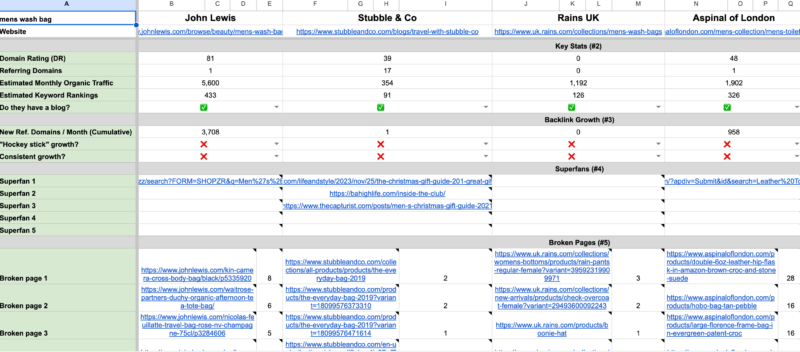
Identify your key competitors by researching companies offering similar products or services. Use tools like SEMrush and SimilarWeb to analyse their traffic, keywords, and marketing tactics. Observe their pricing strategies, promotional campaigns, and social media presence to determine patterns in what works for their audience.
Check their website design, user experience, and content marketing efforts, such as blog posts or videos, to understand how they engage customers. For example, study how they're promoting products during seasonal sales or what kind of loyalty programmes they offer. This insight allows you to adapt and strengthen your eCommerce marketing plan by learning from their successes and gaps.
Define what sets your business apart from competitors. Focus on aspects like product quality, pricing, or exclusive offerings to attract and retain customers. For instance, if your pricing strategy involves offering free shipping over a certain order value, promote it as a key advantage.
Emphasise benefits such as faster delivery, superior customer service, or ethical sourcing in your marketing materials. Highlighting these USPs across your website, product pages, and social media platforms will reinforce your brand's value and make your eCommerce site more appealing to potential buyers.
Selecting the most suitable marketing channels is vital for executing an effective eCommerce marketing plan. Each channel offers unique benefits, so it's essential to align them with your target audience's preferences and your business objectives.
Leverage social media platforms to boost visibility and engage with your audience. Focus on networks where your customers spend the most time, such as Instagram for product-focused content or LinkedIn for B2B eCommerce. Use carousel ads, short videos, and user-generated content to enhance engagement. Tools like Meta Business Suite can help streamline ad management and performance tracking. For a new eCommerce website, building a strong social presence early on creates trust and expands your reach.
Tap into email marketing to nurture relationships and drive sales. Segment your email list by demographics, purchase history, or engagement to personalise communication effectively. Send promotional offers, product recommendations, and abandoned cart reminders to boost conversions. Use platforms like Mailchimp or Klaviyo to automate campaigns and monitor performance. This strategy is a staple in eCommerce marketing plans due to its high ROI and effectiveness in connecting directly with customers.
Invest in paid advertising to generate traffic and increase conversions. Use Google Ads for search intent targeting or display ads to retarget visitors who've interacted with your eCommerce site. Platforms like Facebook Ads and TikTok Ads are excellent for reaching broader audiences. Set a dedicated budget and refine campaigns using A/B testing to enhance results. Align your paid efforts with your overall eCommerce marketing plan to maximise their impact on growing your business.
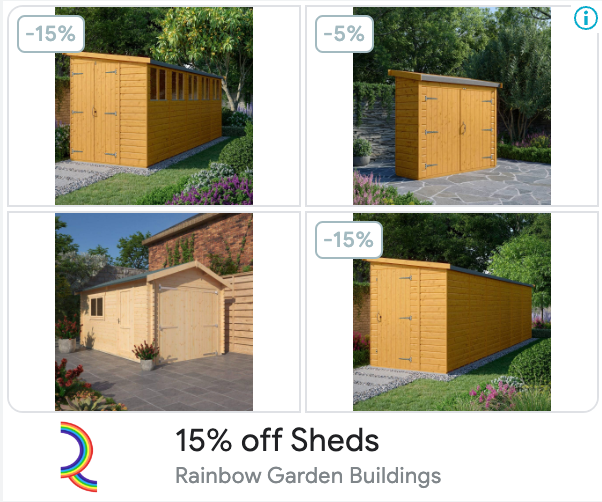
Content marketing plays a vital role in any eCommerce marketing plan. It helps you connect with your audience, build trust, and drive traffic to your site, ultimately leading to sales.
Start by brainstorming themes that resonate with your target audience. Focus on their interests, challenges, and needs to create content that adds genuine value. For example, if you run a fitness-focused eCommerce site, you could create themes around workout tips, healthy recipes, or fitness gear recommendations. Use tools like BuzzSumo to identify trending topics in your niche.
Diversify your content formats to keep your audience engaged. Incorporate blogs, videos, infographics, and social media posts, tailoring them to the platforms your customers visit most. Regularly updating themes ensures your eCommerce business marketing plan stays fresh and relevant.
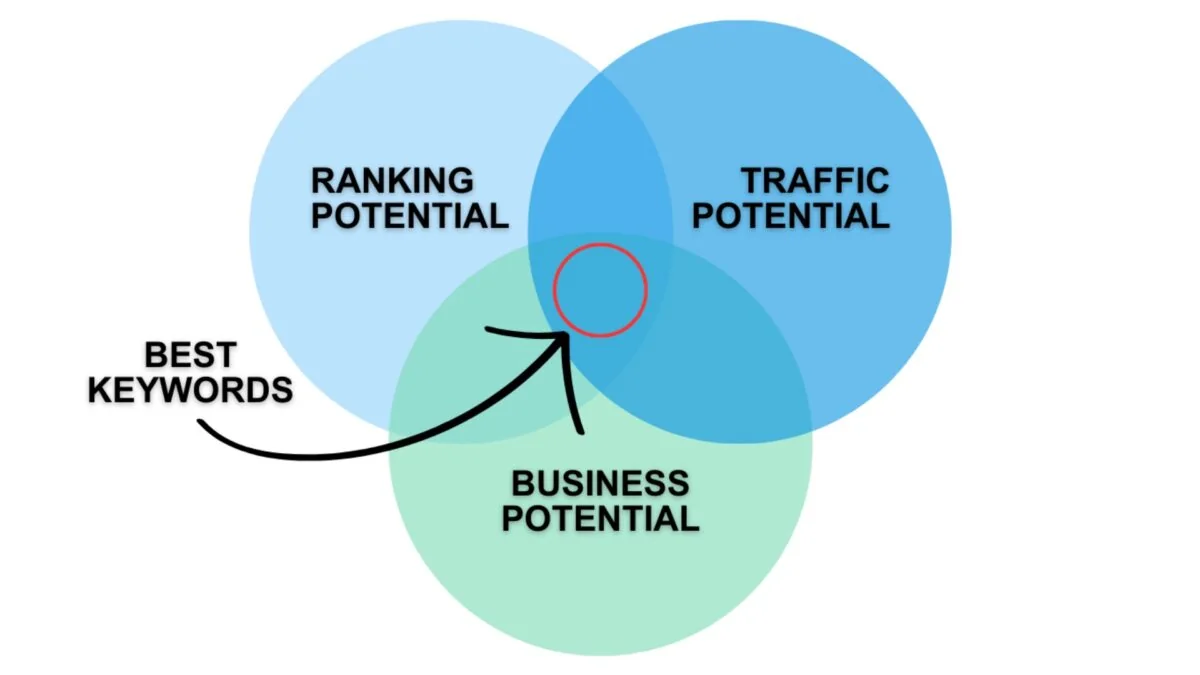
Optimise your blog with SEO to ensure it becomes a traffic driver for your eCommerce site. Research keywords related to your products and industry, such as "eCommerce site marketing plan" or "eCommerce marketing plan pricing strategy example", and integrate them naturally into your content. Tools like Google Keyword Planner and Ahrefs can help you identify high-value keywords.
Structure your blogs to answer customer queries and provide actionable insights. For instance, a blog titled "How to Build an Ecommerce Website Marketing Plan" could guide readers through essential steps, positioning you as an authority. Additionally, ensure each post includes appealing visuals, internal links, and clear calls-to-action to encourage visitors to explore your products.
Increasing website conversions is crucial when crafting an effective marketing plan for your eCommerce business. A well-optimised site ensures a seamless user experience, encouraging visitors to make purchases and return.
Streamline navigation to simplify user journeys. Use a logical menu layout, clear categories, and a visible search bar to help visitors find products quickly. Ensure your eCommerce site is mobile-friendly, as over 50% of online shopping happens on smartphones.
Improve page speed to reduce bounce rates. Compress images, remove unnecessary scripts, and utilise a Content Delivery Network (CDN) to enhance loading times. Slow pages frustrate users and can impact your sales.
Include clear calls to action (CTAs) to guide users effectively. Phrases like "Buy Now", "Add to Basket", or "Sign Up for Offers" should stand out but not overwhelm the page design. Practical CTAs help reduce hesitation and increase conversion rates.
Leverage customer reviews to build trust. Adding verified reviews on product pages influences purchasing decisions and boosts confidence in your brand. For example, platforms like Trustpilot or Yotpo can help integrate authentic feedback seamlessly into your eCommerce site marketing plan.
Showcase customer photos or testimonials. Encourage users to share product experiences on social media by introducing hashtags or incentives. These visuals act as social proof, reinforcing the quality and appeal of your products.
Add Q&A sections beneath product listings. Allow potential buyers to see answers to common queries from other customers or your team. This not only resolves doubts but keeps users engaged, enhancing overall satisfaction.

Email campaigns are a crucial part of any effective eCommerce marketing plan. They help you engage your audience, drive traffic to your site, and convert leads into customers, all while delivering targeted and personalised content.
Customise email content to connect with your audience. Use customer names, past purchase history, and browsing behaviour to craft relevant, engaging messages. For example, address the customer by name in the subject line or recommend products based on their previous orders. Personalisation fosters a sense of exclusivity, making recipients more likely to open emails and act on your offers. Leveraging tools like Mailchimp or Klaviyo can simplify personalisation efforts and ensure your emails align with your eCommerce marketing plan.
Automate email sequences to maintain consistent communication with your customers. Set up workflows for common situations, such as welcome emails for new subscribers, cart abandonment reminders, and post-purchase follow-ups. Automated sequences save time and increase efficiency while helping to nurture customer relationships. For instance, sending a "We Miss You" email to inactive customers can re-engage them with your eCommerce site. Using platforms like ActiveCampaign or HubSpot ensures seamless automation and integration with your overall eCommerce marketing strategy.
Tracking and measuring performance ensures that your eCommerce marketing plan delivers value and aligns with your business goals. Regularly evaluating metrics allows you to refine your strategies for better outcomes.
| Tool | Metrics Tracked | Purpose |
|---|---|---|
| Google Analytics | Bounce rate, sessions, conversions | Website traffic analysis |
| HubSpot | Email engagement, lead tracking | Campaign effectiveness and monitoring |
| Shopify Reports | Sales metrics, traffic | Performance tracking for eCommerce plans |
Use analytics tools like Google Analytics and Adobe Analytics to monitor your eCommerce site's performance. These tools provide insights into traffic, conversion rates, and customer behaviour, enabling you to identify key areas for improvement. Track metrics such as bounce rates and average session duration to understand how users interact with your site. Additionally, tools like Shopify Reports or HubSpot can help you gauge the success of campaigns included in your eCommerce marketing plans.
Modify your marketing efforts by analysing data insights from the above tools. For example, if a campaign targeting a new product launch underperforms, adjust the content or audience targeting. If certain products show low conversion rates, address factors like pricing or site design to optimise sales. Continuously adapting your eCommerce marketing plan ensures that your strategies stay relevant and effective. When launching seasonal promotions or refining pricing strategies, use data-driven insights to create impactful adjustments, reinforcing customer engagement and growth.
Creating a clear eCommerce marketing plan is essential for driving growth and staying competitive. By focusing on understanding your audience, setting measurable goals, and leveraging the right tools and strategies, you can build a roadmap that aligns with your business objectives. Remember to stay adaptable, monitor performance regularly, and refine your approach based on data insights. A well-structured plan not only boosts efficiency but also ensures your marketing efforts deliver tangible results.

Written By
Founder, Sway Digital • MSc Digital Marketing Communications
Philip Beaumont is the founder of Sway Digital, a digital agency built to sway your audience - combining website design & development, SEO, paid advertising, and brand identity into strategies that move the numbers that matter. He holds an MSc in Digital Marketing Communications and works hands-on with every client, from strategy through to execution.
Connect on LinkedInReady to put this into practice?
Book a free strategy call and we'll show you exactly how this applies to your business.