Organic Marketing
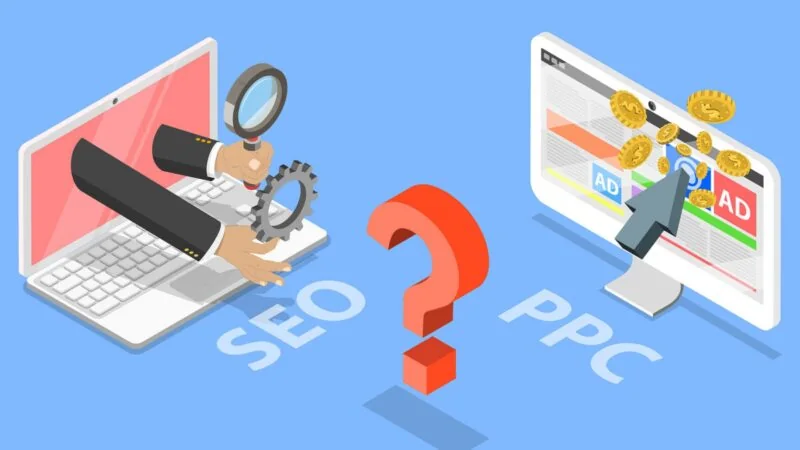
SEO and PPC often get treated as an either-or decision. In reality, running them together creates a synergy that outperforms either strategy alone - here's how.
Category
Organic Marketing
Published
22 July 2026
Read Time
8 min read
Navigating the digital marketing landscape can feel like a balancing act, especially when deciding between SEO and PPC. Both have their unique strengths - SEO builds organic visibility over time, while PPC offers immediate visibility through paid ads. But what if combining these strategies could amplify your online presence?
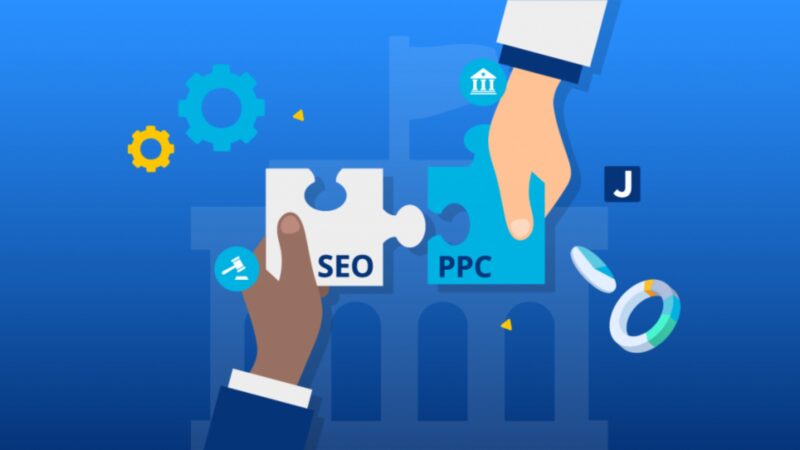
It's a common misconception that it's an either-or scenario. In reality, integrating SEO and PPC can create a powerful synergy, enhancing overall campaign effectiveness. By aligning these strategies, businesses can boost their search engine visibility, drive more targeted traffic, and maximise return on investment.
In this article, we'll explore the benefits of using SEO and PPC together and how they can complement each other to achieve your marketing goals. Whether you're a seasoned marketer or just starting, understanding this dynamic duo could be the key to unlocking your brand's full potential.
Exploring the integration of SEO and PPC reveals the potential for enhanced digital marketing outcomes. Both strategies, although distinct, complement each other in driving traffic and improving online visibility.
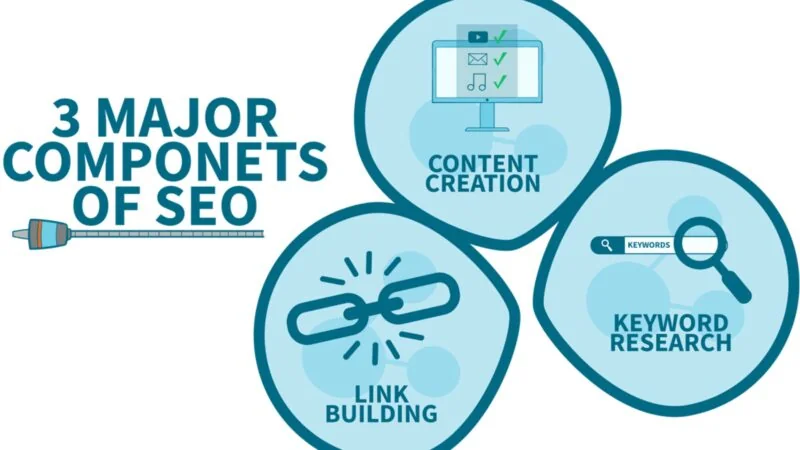
SEO, or Search Engine Optimisation, involves optimising a website to improve its organic search results. Using techniques like keyword research, creating quality content, and on-page optimisation helps websites rank higher in search engines. Ensuring content aligns with search intent boosts SEO performance. Tools like Google Search Console and Google Analytics help track SEO efforts and make data-driven adjustments to optimise rankings. SEO focuses on long-term results, building organic traffic and visibility over time.
PPC, or Pay-Per-Click, involves businesses paying for ads that appear in search engine results. Using platforms like Google Ads, marketers create PPC campaigns targeting specific keywords to attract immediate traffic. Crafting PPC ad copy and optimising landing pages enhances ad performance and conversion rates. Analysing PPC data helps refine campaigns, making them more effective. Unlike SEO, PPC advertising delivers quick results and allows precise targeting of audiences based on behaviour and demographics, offering flexibility in achieving marketing objectives.
Integrating SEO (Search Engine Optimisation) and PPC (Pay-Per-Click) strategies can yield significant benefits for businesses seeking to enhance their digital marketing efforts. This synergy optimises online visibility and utilises comprehensive data to inform decision-making.
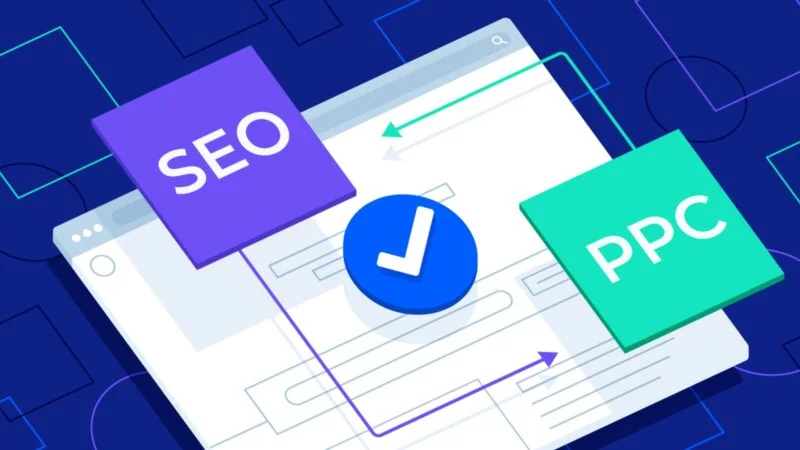
SEO and PPC together increase visibility across both organic and paid search results. While SEO focuses on improving organic rankings, PPC ensures top placement in search engine results. For example, the presence of PPC ads combined with strong SEO can dominate the first page of search results, maximising exposure. This dual approach captures users regardless of their preference for organic or paid listings.
Pooling data from both SEO and PPC strategies enhances marketing insights. PPC campaigns provide immediate keyword performance data, offering insights into which terms drive the most value. This information can refine SEO efforts by prioritising effective keywords, improving organic traffic. Tools like Google Analytics and Google Search Console facilitate this data integration, streamlining optimisations.
Using SEO and PPC in tandem allows for more strategic keyword targeting. While SEO focuses on relevant keywords for long-term growth, PPC campaigns can test new or competitive keywords with precision. This dynamic approach enables businesses to adjust their keyword strategy based on performance data, ensuring both PPC and organic search efforts align with search intent. By refining ad copy and landing pages through this data, businesses can achieve higher conversion rates.
Combining SEO and PPC presents various challenges as these strategies require distinct approaches yet need to work together seamlessly for the best results.
Balancing budget between SEO and PPC demands careful planning. SEO involves costs like content creation and technical optimisation while PPC requires a budget for bids, especially in competitive markets like Google Ads or other PPC campaigns. Allocating funds wisely boosts performance in both areas without overstretching financial resources, and comparing pricing options upfront makes that planning easier.
Deploying resources efficiently impacts the success of SEO and PPC integration. Skilled personnel are needed to manage SEO efforts like keyword research and on-page SEO while PPC campaigns require expertise in ad copy and campaign management. It's essential to ensure that team members with the necessary skills are in place to optimise both strategies, leveraging PPC and SEO data.

Maintaining a balance between SEO and PPC efforts is crucial. SEO focuses on organic growth and long-term strategies, unlike PPC which targets immediate results through paid ads. By aligning these efforts, businesses achieve consistent website traffic across search results. Regular monitoring through tools like Google Search Console and Google Analytics helps in adjusting strategies to maintain this balance, enhancing overall online visibility.
An effective integration of SEO and PPC allows businesses to maximise their online presence by leveraging both strategies simultaneously. By combining efforts, more comprehensive insights and optimised campaigns emerge.
A coordinated keyword strategy enhances both SEO and PPC effectiveness. By analysing PPC data, high-performing keywords can be identified and integrated into SEO campaigns. This approach, unlike using separate keyword lists, ensures alignment between paid ads and organic listings. Target keywords for both PPC and organic search should be continually updated using insights from tools like Google Search Console.
Unified reporting offers a holistic view of SEO and PPC performance. By consolidating data from Google Analytics and Google Ads, you gain insights into how these strategies complement each other. This integration helps inform data-driven decisions that enhance organic search results, informed by keyword performance and user behaviour data. Combined reports streamline analysis, revealing opportunities for improvement in both SEO and PPC efforts.
Strategic use of retargeting reinforces SEO and PPC strategies. If users visit a website through organic traffic but don't convert, PPC campaigns can re-engage them. Retargeting ads remind users of your offerings, nurturing leads and boosting conversions. This synergy ensures the strategy remains comprehensive, maximising the chance of attracting and converting potential customers. By strategically aligning retargeting with SEO and PPC, overall marketing efforts become more effective.
Integrating SEO and PPC provides businesses with numerous benefits and tangible results. Several case studies illustrate how companies have effectively combined these strategies to achieve remarkable outcomes.
By integrating SEO and PPC, one business significantly boosted its conversion rates. The company used PPC campaigns to drive immediate traffic to optimised landing pages and simultaneously enhanced their SEO strategy to improve organic search rankings. Utilising shared keyword data, they aligned paid ads with organic listings, ensuring consistent presence on search engine results pages. This synergy not only increased visibility but also captured users at different stages of the buying journey, resulting in a substantial rise in conversion rates.
In another instance, a company effectively reduced its cost per acquisition by integrating SEO and PPC efforts. PPC data provided immediate feedback on high-performing keywords, allowing the business to focus SEO efforts on these terms for organic growth. Insights from Google Analytics and Google Search Console helped monitor performance and refine campaigns. This approach led to increased organic traffic, which complemented paid ads and reduced dependency on PPC. As a result, the company's overall customer acquisition costs declined while maintaining a steady stream of qualified leads.
Combining SEO and PPC isn't just a viable strategy; it's a powerful approach that can significantly enhance your online marketing efforts. By leveraging the strengths of both, you can maximise visibility, drive targeted traffic, and ultimately achieve a better return on investment. It's crucial to maintain a balanced approach, ensuring that both strategies complement each other and work towards common goals. With careful planning, resource allocation, and continuous monitoring, the synergy between SEO and PPC can transform your digital marketing landscape. Embrace this dual strategy to stay competitive and achieve sustained growth in an ever-evolving digital world.
SEO focuses on improving a website's visibility in organic search results through optimisation techniques like keyword research and content creation, offering long-term benefits. In contrast, PPC is an advertising model where businesses pay for ads to appear in search results, providing immediate traffic and precise audience targeting. Both strategies have distinct advantages; SEO builds sustainable organic presence over time, while PPC delivers quick results and enhanced targeting capabilities.
Integrating SEO and PPC leverages the strengths of both strategies, enhancing online visibility by appearing in both organic and paid search results. This combined approach maximises exposure, increases targeted traffic, and improves return on investment. Additionally, data sharing between the two can refine keyword strategies, while testing new keywords through PPC aids long-term SEO growth, fostering a more dynamic marketing strategy.
Data sharing between SEO and PPC allows businesses to utilise immediate insights from PPC campaigns to enhance SEO efforts. For example, keyword performance data from PPC can inform SEO strategies, enabling better keyword targeting and content optimisation. This synergy results in more effective campaigns, with PPC providing valuable information to refine and bolster SEO initiatives for improved overall search performance.
Integrating SEO and PPC requires careful planning and resource management. Budget allocation must consider costs associated with both strategies, including content creation for SEO and ad bidding for PPC. Skilled personnel are essential to handle the distinct approaches each demands. A balanced strategy with regular monitoring through tools like Google Analytics ensures consistent traffic and maximised online visibility.
A coordinated keyword strategy aligns paid ads with organic listings, ensuring cohesive messaging and maximised search presence. By using insights from PPC campaigns to refine SEO trends and focusing organic efforts on high-performing keywords, businesses can increase visibility and conversion rates. This alignment provides a unified approach, enhancing efficiency and overall effectiveness of both marketing efforts.
Yes, PPC data can significantly impact SEO success by offering real-time insights on keyword performance and audience behaviour. Analysing PPC campaign results helps identify high-performing keywords and consumer interests, informing SEO strategies to bolster content and optimise web pages. This data-driven approach enhances organic search visibility and strengthens overall marketing outcomes.
Retargeting allows businesses to re-engage users who visited a site through organic traffic but did not convert initially. By strategically placing ads in front of these potential customers, businesses can nurture leads and increase conversion rates. Retargeting blends the strengths of SEO and PPC, creating opportunities to convert organic traffic into customers with targeted, relevant ads.
Successful case studies demonstrate the tangible benefits of combined SEO and PPC strategies. For instance, businesses have increased conversion rates by aligning PPC campaigns with optimised landing pages, enhancing their SEO. Additionally, leveraging PPC data for SEO has led to reduced costs per acquisition, increased organic traffic, and lowered overall customer acquisition expenses, showcasing the synergy's potential to achieve marketing goals.

Written By
Founder, Sway Digital • MSc Digital Marketing Communications
Philip Beaumont is the founder of Sway Digital, a digital agency built to sway your audience - combining website design & development, SEO, paid advertising, and brand identity into strategies that move the numbers that matter. He holds an MSc in Digital Marketing Communications and works hands-on with every client, from strategy through to execution.
Connect on LinkedInReady to put this into practice?
Book a free strategy call and we'll show you exactly how this applies to your business.